

Language matters far beyond academia
Think about this claim: “By 2030, 100% of the water used in industrial processes will be recycled and reused” or “addresses all the impacts of its products, from their design to their consumption”. Sounds great, right? But how much water is being recycled today? What exactly counts as an industrial process? And how does a company actually address all the impacts of its products?
These are real claims from a publicly available sustainability report. And here is the tricky part: we cannot simply say whether they are true or false. The first is a promise about the future, perhaps backed by concrete data and a realistic plan. The second is so broad that we would need much more information to evaluate it.
Fighting misleading content means looking beyond false information. We also need to understand how language shapes what we believe is sustainable or, in simple terms, what is good or bad for the planet. The same applies to political messages, as Zoe Gueli explains in her recent article, published by the EU Awareness Centre.
Tackling disinformation requires more than detecting false claims
Zoe argues that Europe has invested in detecting disinformation, but less in teaching people how to question political messages. We also need to help citizens ask: what is this message trying to make me believe, and how?
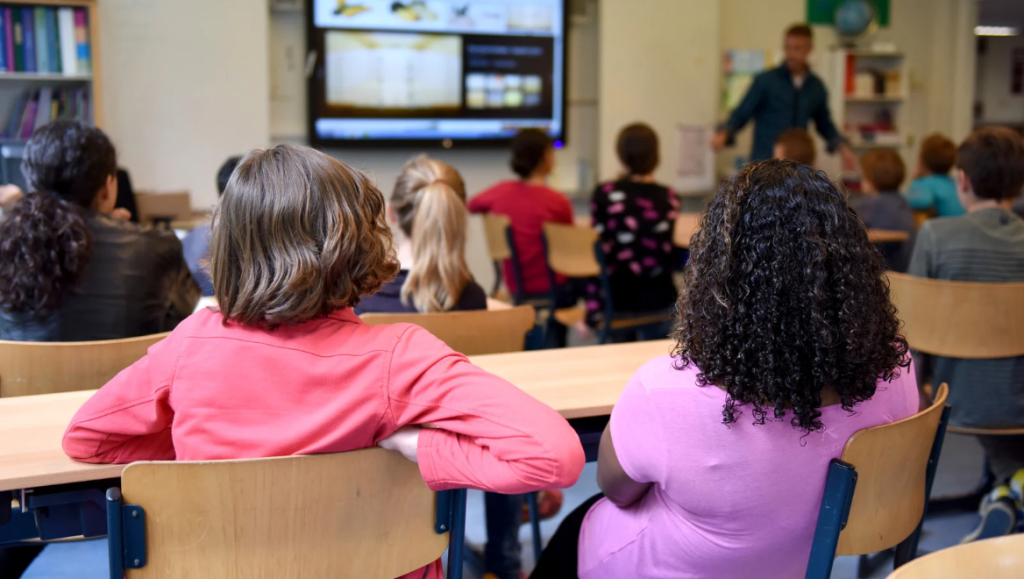
But learning to read between the lines takes practice. And schools can help people start developing these skills.
Zoe proposes bringing Critical Language Awareness (CLA) into existing secondary-school language and civic education classes. She points to our CLADES project, coordinated by the University of Groningen, as a framework to draw on.
Her proposal includes European funding through Erasmus+, with a priority on training teachers. She also calls for a formal recommendation from the Council of the EU to encourage countries to introduce CLA, while leaving decisions about school curricula in their hands.

And how would we know whether this teaching works?
Zoe suggests assessing students before and after training and, where possible, again later to see what they remember and can still apply. Teaching CLA is one step; finding out whether it helps students question the messages they encounter is another.
“Citizens need to examine not only what political statements say, but what they seek to achieve: why particular issues are framed in certain ways, how word choices construct political responsibility, and what purposes these narratives serve”.
CLADES goes to Brussels: bringing our work into policy discussions
This conversation will soon take members of our consortium to the European Parliament.
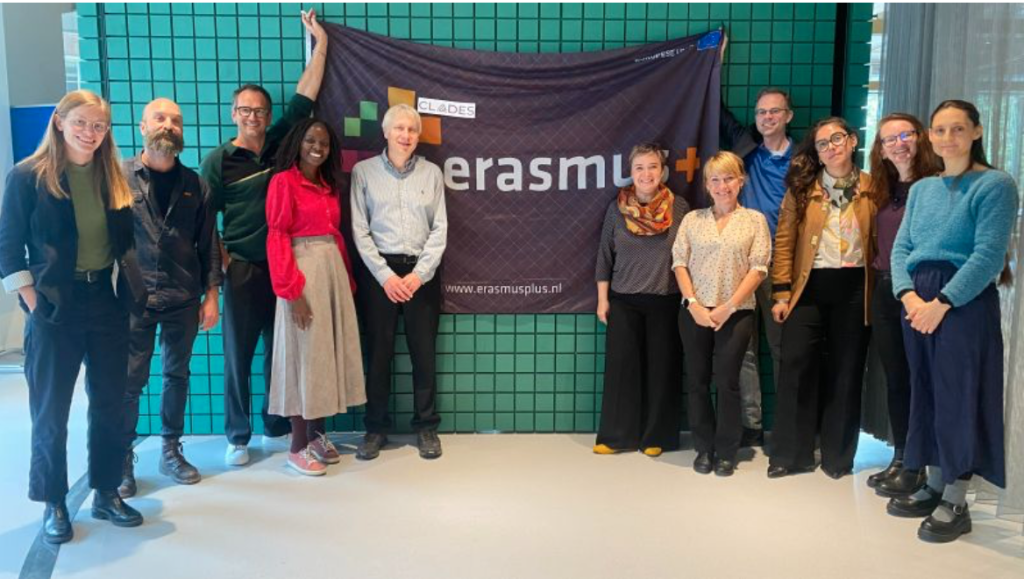
On 2 December 2026, we will participate in a CLADES event in Brussels, organised by SOLIDAR+ and the project partners as part of Lifelong Learning Week. Researchers, educators and EU policymakers will explore our educational materials and discuss how they could be used more widely.
The draft programme includes opening remarks from European Parliament Vice-President Victor Negrescu and a roundtable on bringing CLA into European approaches to lifelong learning and citizenship education. Our project coordinator, Erika Darics, is scheduled to contribute to both the opening and the roundtable.
For us, this is an opportunity to bring our work directly to people who help shape education policy, hear their perspectives, and discuss what it would take to put these ideas into practice.
Back to those sustainability claims: what would students need to question them confidently? And what support would teachers need to guide that conversation?
Giving people the tools to question, interpret and make their own judgements takes work. Through CLADES, and our own researchs, we want to help more people bring those skills into their everyday lives.
We invite you to check our free-online CLA course here, and share it with others.